


I’ve struggled with occasional acid reflux for most of my adult life. I started experiencing symptoms well before my celiac diagnosis—and even after going gluten-free, I still get heartburn sometimes (although I haven’t been diagnosed with the more chronic condition, Gastroesophageal Reflux Disease, or GERD).
So, what’s the deal? Is there a connection between celiac disease and acid reflux or GERD? I chatted with Lauren O’Connor, RD, founder of One Seed Health, to find out.
Table of contents:
What is GERD?
What’s the connection between celiac disease and GERD?
What foods trigger acid reflux?
Can going gluten-free improve acid reflux symptoms?
What if acid reflux doesn’t improve after going gluten-free?
Can gluten-free substitute foods worsen acid reflux?
How do you manage acid reflux when you have celiac disease?

What is GERD?
Acid reflux happens when acid from inside your stomach flows back up into your esophagus and throat. Most people (*raises hand*) have experienced occasional indigestion and acid reflux.
GERD is a chronic version of acid reflux. It’s usually considered chronic if you experience symptoms at least twice a week for a few weeks.
Common symptoms including a burning feeling in your chest; trouble swallowing; backwash of food or liquid in your throat; the feeling of a lump in your throat; persistent nighttime cough; and vocal chord inflammation.
What’s the connection between celiac disease and GERD?
“GERD and celiac disease are two distinct conditions, but they can co-exist,” says O’Connor. “Research suggests that there is an association between celiac disease and GERD.”
In a study published in Clinical Gastroenterology and Hepatology, 35% of celiac patients with classic gastrointestinal symptoms also experienced GERD symptoms.
Another study in the same journal found that at diagnosis, celiac patients are more likely to experience reflux, but that this usually improves rapidly after cutting out gluten.
In untreated celiac disease, factors such as intestinal inflammation and bloating can trigger or worsen reflux symptoms, explains O’Connor. But GERD can also co-occur independently of celiac disease, she says.
What foods trigger acid reflux?
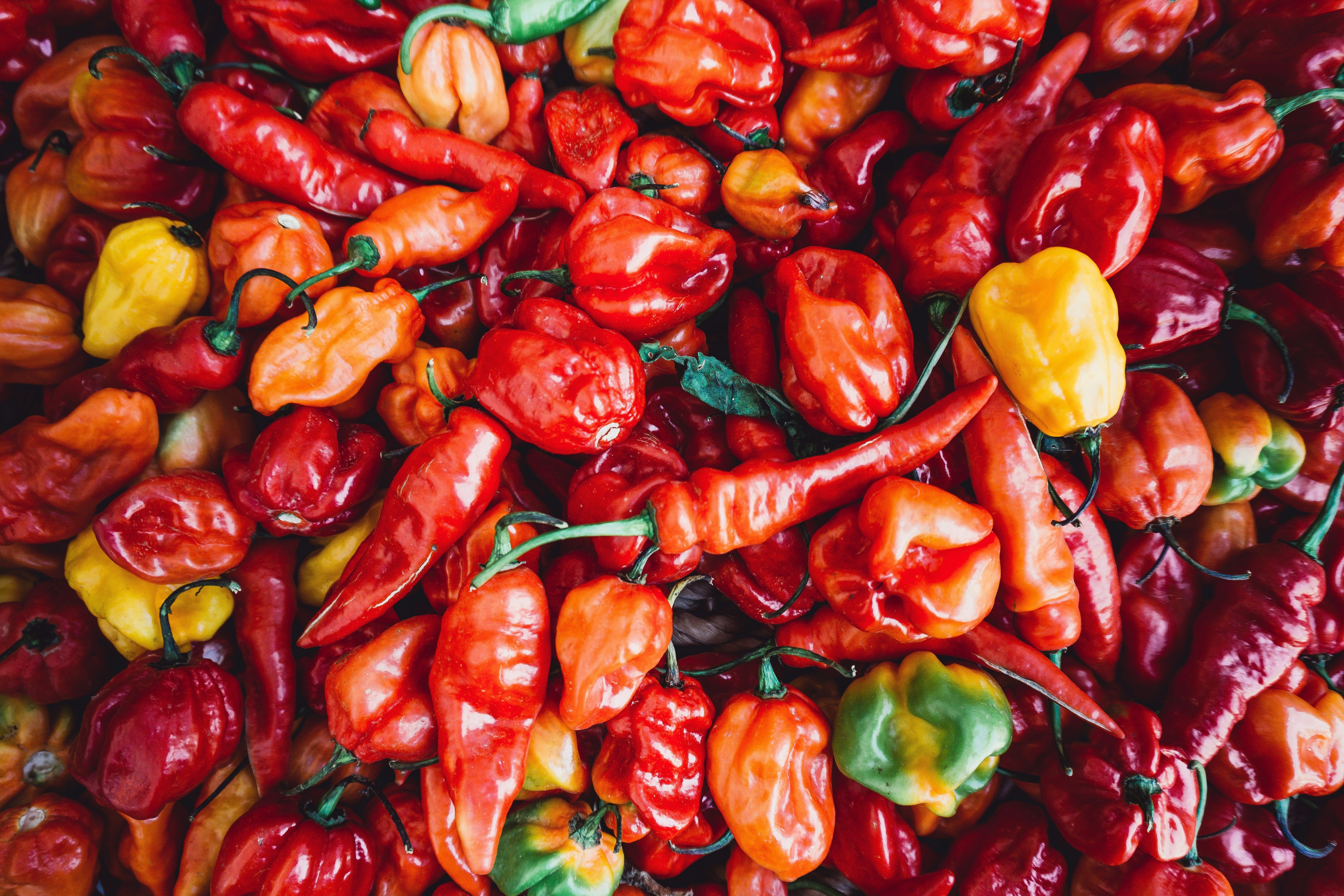
In general, the foods that are most likely to trigger acid reflux are spicy foods, fatty or rich foods, acidic foods, or too much sugar or caffeine, says O’Connor.
“That said, everyone’s triggers can be a little different, so it’s worth paying attention to what affects you personally,” she notes.
Some common triggers might not cause problems if you only eat them in small amounts, adds O’Connor. “The key is figuring out your own triggers and how much you can handle without symptoms,” she says.
Can going gluten-free improve acid reflux symptoms?
“People with celiac disease sometimes notice that going gluten-free also eases their GERD symptoms,” says O’Connor. “But if you have GERD without celiac disease, cutting out gluten won’t necessarily make a difference.”
Even if you have both conditions, it’s possible that eating gluten-free won’t resolve reflux if it’s being driven by something else, says O’Connor.
What if acid reflux doesn’t improve after going gluten-free?
If you get diagnosed with celiac disease and your reflux doesn’t improve after going gluten-free, it’s likely your reflux is due to a structural or mechanical cause unrelated to celiac, says O’Connor.
“This may include a weakened lower esophageal sphincter (LES)—the muscle (‘valve’) that connects the stomach to the esophagus,” she explains. “Hiatal hernia, for example, can affect the LES and prevent it from closing properly, allowing stomach acids to travel up the esophagus.”
Of course, there are also several common GERD trigger foods (mentioned above) unrelated to gluten that can cause reflux symptoms.
Plus, lifestyle factors like eating too much or eating too fast can increase abdominal pressure and further weaken your LES, says O’Connor.
Can gluten-free substitute foods worsen acid reflux?
Yes, some gluten-free substitutes can worsen reflux in certain individuals. “Processed foods, like cookies, pastries, and some breads, can trigger reflux due to their fat and sugar content, regardless of whether or not they are gluten-free,” says O’Connor.
Some gluten‑free foods have gums (like guar gum to improve texture) and sugar alcohols to keep them sweet without added sugar. For some people (especially those with irritable bowel syndrome or sensitive digestion), these ingredients can cause gas and bloating, says O’Connor.
This, in turn, can put extra pressure on your stomach and loosen your LES, triggering or worsening reflux.

How do you manage acid reflux when you have celiac disease?
Here are a few tips for getting the burning under control if you have both acid reflux and celiac disease:
Eat smaller, evenly spaced meals
Eating smaller, evenly spaced meals can help prevent digestive discomort and reduce reflux symptoms, says O’Connor. “In contrast, large meals or irregular eating patterns can increase stomach distension and lead to bloating, gas, or worsening GERD symptoms,” she adds.
While celiac research isn’t specifically focused on meal size or timing, this approach (particularly in the early stages of treatment) may be helpful as it reduces digestive overload while your gut is still sensitive and healing, says O’Connor.
Gradually increase fiber
It’s important to note that gluten-free products are often lower in fiber. Gradually introducing fiber from naturally-gluten-free foods can help support digestion and ease reflux symptoms, especially if bloating or constipation are concerns, says O’Connor.
Just remember that increasing fiber too quickly can lead to gas and bloating, so you really do want to do this slowly!
Manage stress and anxiety
Anxiety is more common in celiacs than in the general population. Strict adherence to a gluten-free lifestyle and fear around accidentally eating gluten can take a toll on your mental health.
Anxiety can also exacerbate acid reflux. In fact, O’Connor often helps her patients manage stress and anxiety because these can affect the digestive system.
“The gut and brain are closely connected—a relationship we call the gut-brain axis,” she says. “Stress hormones like cortisol can slow digestive motility, causing food to stay in the stomach longer than is beneficial, which can lead to gas or bloating.”
Some effective ways to ease stress include deep breathing, journaling, spending time outdoors, doing relaxing activities like yoga, getting enough sleep, and speaking to a therapist.
Here’s how I practice celiac self-care.
Visit your doctor for tailored medical advice
If you’re newly diagnosed with celiac disease, you may see relief from acid reflux and other GI symptoms a few weeks after going gluten-free. However, in some individuals, it may take eight weeks or more, says O’Connor.
“If reflux symptoms are driven by active or untreated celiac disease, then they should gradually resolve while on this regimen,” she says. “But if significant reflux persists beyond three months, I’d suggest further medical evaluation.”
Have you experienced acid reflux before or after your celiac diagnosis? Drop a comment and let me know!
Sources:
Lauren O’Connor, RD, founder of One Seed Health
Cleveland Clinic. Acid Reflux & GERD. https://my.clevelandclinic.org/health/diseases/17019-acid-reflux-gerd
Mayo Clinic. Gastroesophageal reflux disease (GERD). https://www.mayoclinic.org/diseases-conditions/gerd/symptoms-causes/syc-20361940
eClinicalMedicine. 2024 Apr 16:71:102577. “Coeliac disease is a strong risk factor for Gastro-oesophageal reflux disease while a gluten free diet is protective: a systematic review and meta-analysis.” https://www.thelancet.com/journals/eclinm/article/PIIS2589-5370%2824%2900156-1/fulltext
Clinical Gastroenterology and Hepatology. Volume 9, Issue 3, p192-193, March 2011. “Celiac Disease and Gastroesophageal Reflux Disease: Yet Another Presentation for a Clinical Chameleon.” https://www.cghjournal.org/article/S1542-3565%2810%2901226-7/fulltext
Clinical Gastroenterology and Hepatology. Volume 9, Issue 3, p214-219, March 2011. “Gastroesophageal Reflux Symptoms in Patients With Celiac Disease and the Effects of a Gluten-Free Diet.” https://www.cghjournal.org/article/S1542-3565%2810%2900661-0/fulltext
StatPearls. Gastroesophageal Reflux Disease (GERD). https://www.ncbi.nlm.nih.gov/books/NBK554462/
Nutrients. 2022, 14(9), 1755. “The Effect of Fermentable, Oligosaccharides, Disaccharides, Monosaccharides, and Polyols (FODMAP) Meals on Transient Lower Esophageal Relaxations (TLESR) in Gastroesophageal Reflux Disease (GERD) Patients with Overlapping Irritable Bowel Syndrome (IBS).” https://www.mdpi.com/2072-6643/14/9/1755
Digestive and Liver Disease. Volume 34, Supplement 2, S129-S133, September 2002. “Effects of guar gum, ispaghula and microcrystalline cellulose on abdominal symptoms, gastric emptying, orocaecal transit time and gas production in healthy volunteers.” https://www.dldjournalonline.com/article/S1590-8658%2802%2980180-3/abstract
Monash University. What are the Polyols? https://www.monashfodmap.com/blog/what-are-polyols/
Celiac Self-Care. And the Award for Best Gluten-Free Grain Goes to…
World Journal of Gastroenterology. 2018 Jun 7;24(21):2291–2299. “Fiber-enriched diet helps to control symptoms and improves esophageal motility in patients with non-erosive gastroesophageal reflux disease.” https://pmc.ncbi.nlm.nih.gov/articles/PMC5989243/
Celiac Self-Care. How to Deal With Constipation When You Have Celiac Disease.
Mayo Clinic. Dietary fiber: Essential for a healthy diet. https://www.mayoclinic.org/healthy-lifestyle/nutrition-and-healthy-eating/in-depth/fiber/art-20043983
Neurogastroenterology & Motility. 2013 Oct;25(10):831-e638. “Patterns of diet-related practices and prevalence of gastro-esophageal reflux disease.” https://pubmed.ncbi.nlm.nih.gov/23895231/
Plant Foods for Human Nutrition. Volume 80, article number 8, (2025). “Gluten-free Diet, a Friend or a Foe, an American Perspective.” https://link.springer.com/article/10.1007/s11130-024-01264-w
World Journal of Gastroenterology. 2010 Jun 14;16(22):2780-7. “Anxiety and depression in adult patients with celiac disease on a gluten-free diet.” https://pubmed.ncbi.nlm.nih.gov/20533598/
Neurogastroenterology & Motility. 2022 Apr 30;28(2):212–221. “Association Between Psychosocial Disorders and Gastroesophageal Reflux Disease: A Systematic Review and Meta-analysis.” https://pmc.ncbi.nlm.nih.gov/articles/PMC8978133/
Centers for Disease Control & Prevention. Managing Stress. https://www.cdc.gov/mental-health/living-with/index.html
Celiac Self-Care. How I Practice Celiac Self-Care (and Why You Should Too).
Nutrients. 2023, 15(9), 2048. “Follow-Up of Celiac Disease in Adults: “When, What, Who, and Where.” https://www.mdpi.com/2072-6643/15/9/2048
I struggled with GERD pre-celiac diagnosis. Fortunately it hasn't been an issue since, but I'm so glad you see you covering this topic!