


After six years of living with celiac disease, I like to think I have a pretty good handle on all things gluten-free.
But I really struggled to meet my basic nutrition needs while going through a breakup in the first half of last year. (Don’t worry, 2026 is shaping up to be much better for me, in case you were wondering.)
Research shows gluten-free packaged foods, like bread, have less fiber than their wheat-based counterparts. It’s no surprise, then, that noshing on gluten-free toast (one of the few bland things I could stomach for the first few months of 2025) led me to experience some uncomfortable GI issues, including constipation.
On top of that, I was also dealing with nutritional deficiencies, including vitamin D and iron. While these are common in celiac patients, particularly in the beginning, I had previously gotten them under control since going gluten-free.
I ended up having an endoscopy and colonoscopy to see if my intestines were still damaged from celiac or if I had developed another GI disease.
Thankfully, both tests came back normal, which led me to believe my nutritional deficiencies were largely due to two things: I had neglected taking my daily multivitamin, and I was surviving on crappy gluten-free bread because I just didn’t have much of an appetite.
So, my gastroenterologist suggested I book an appointment with a registered dietitian (RD), who could help me make changes to my eating habits and provide guidance on what supplements to take for my nutritional deficiencies.
Ahead, I’m sharing my recent experience of working with a dietitian as well as the top reasons why you should see an RD if you have celiac disease.
Table of contents:
My experience working with a dietitian
Why you should see a dietitian if you have celiac disease
When to see a dietitian if you have celiac disease
What to look for in a dietitian if you have celiac disease
My experience working with a dietitian
It took me over six months to actually take my doctor’s advice and book an appointment with a dietitian since I was pretty busy. In that time, I moved apartments, had the aforementioned colonoscopy, adopted an adorable cat named Feta, and went on a trip to Copenhagen and London.
While my appetite did return and I was able to enjoy lots of delicious gluten-free food while traveling, I still struggled at home with things like eating breakfast, adding veggies to my meals, and motivating myself to work out.
Once I was finally ready, I started researching online dietitian programs that are covered by insurance, meaning I’d hopefully have only a small copay. (Early on in my diagnosis, I saw a celiac dietitian who didn’t take insurance and charged $150 for a consultation + $100 for every followup, which was way too expensive.)
I landed on Fay Nutrition and entered my insurance information on their website. I found out my copay would be $0 (score!) and was then matched up with a few dietitians who are licensed to practice in my state and have experience working with celiac patients. (By the way: This isn’t sponsored. I just wanted to share what’s worked for me.)
I’ve now been seeing my dietitian, Lexye Hill, RD, virtually, every few weeks for the past five months. Overall, I’ve been very happy with the experience. She’s helped me come up with a few intentional goals to ease back into a routine.
These include eating three meals a day, getting fiber with every meal, drinking between 40 and 80 ounces of water a day, and exercising twice a week (one cardio class and one strength training session).
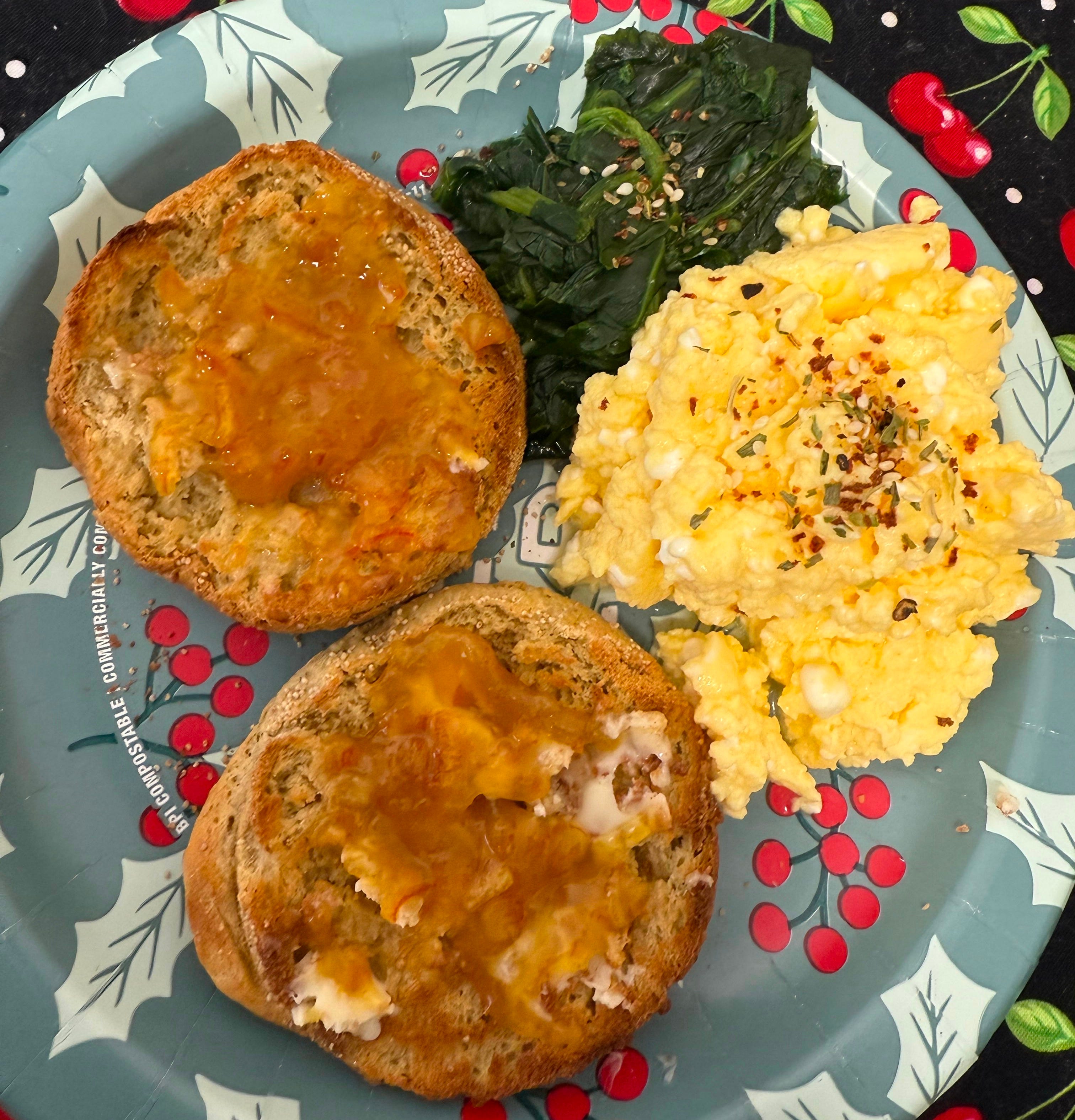
I like having someone to hold me accountable. I’m honestly not sure if I would’ve been able to get back into a routine on my own! Plus, I’m able to share photos of my meals through Fay Nutrition’s app and get encouragement from my RD, which makes me feel good about the progress I’m making.
While these changes may seem small, they’ve had a big impact on my physical and mental health. I’ve seen improvements in my GI symptoms, and I have more energy during the day because I’m no longer skipping meals.
Why you should see a dietitian if you have celiac disease
Of course, everyone’s celiac needs are different, so the reasons why I’m working with a dietitian may not be the same as yours.
That said, here are the top five ways an RD can help you if you have celiac disease, according to Jamie Baham, RDN, LD, owner of Ladybug Nutrition:
Expert guidance on removing gluten safely and thoroughly: “Gluten is in many foods, beverages, sauces, medications and the list goes on,” says Baham. “When you’re on a quest to pull gluten out of your diet, there is no better person than a registered dietitian who has the tools you need to place your feet on the right path and get you started.”
Shifting the focus from restriction to nourishment: “Many times when beginning a new diet, the focus is on what you can’t eat, and you leave confused thinking, ‘What can I eat?’” says Baham. “If you have celiac and this thought has crossed your mind when walking out of your appointment, this is your sign to book an appointment with a registered dietitian.” As Baham notes, there are lot of foods that you can eat while gluten-free, and an RD can help you identify those.
Protecting your relationship with food and quality of life: RDs are the nutrition experts. “They can ensure that you embark on your life-long journey taking out gluten without taking out the joys of eating,” notes Baham. “Support at the beginning can prevent unnecessary fear, anxiety, or overly restrictive patterns later on.”
Preventing nutrient deficiencies and long-term complications: “Due to the malabsorption issues that are present with celiac disease, a dietitian is needed to reduce the risk of long-term complications like osteoporosis and lack of nutritional adequacy,” explains Baham.
Navigating dining out and cross-contact safely: When you have celiac disease, cooking at home is a no-brainer once you identify your favorite gluten-free foods, says Baham. But dining out is a different story. “Many restaurants are not equipped to understand the harms of cross-contact,” she says. “They may be serving a gluten-free friendly menu but not realizing the importance of separating gluten-free foods from other foods in the cooking preparation process.” Dietitians can help you navigate this journey.
When to see a dietitian if you have celiac disease
Anytime is a good time to see a dietitian if you have celiac disease. Even six years into my diagnosis, I find getting enough fiber and managing my nutritional deficiencies challenging on my own. It was even harder last year, when I was navigating a major life change on top of it all.
Going to a dietitian can be especially helpful early in your journey. “Scheduling an initial consultation at the beginning of your diagnosis and scheduling follow-ups (more in the beginning) thereafter to help you get in a good rhythm nutritionally is key,” says Baham. “Annual visits thereafter can also be helpful in managing your condition well.”
What to look for in a dietitian if you have celiac disease
First things first, look for a professional who is a registered dietitian or registered dietitian nutritionist. Registered dietitians complete specific education and license requirements and are equipped to provide science-based nutrition guidance.
Because RDs are medical professionals, visiting one may be covered by insurance. (This is the case for the dietitian I’m currently seeing.) In some states, dietitians have to be licensed, which is why you’ll also sometimes see the letters “LD.”
Nutritionists, meanwhile, may or may not have professional training. In fact, anyone can call themselves a nutritionist. They aren’t recognized as health professionals and, therefore, aren’t covered by insurance.
Beyond the right credentials, the most important thing is finding an RD who understands celiac disease and can guide you with clarity and evidence-based care, says Baham.
“When you have celiac disease, having a registered dietitian as a part of your healthcare team period is vital to having the support you need to walk through your journey with tools to have a healthy relationship with food,” she adds.
The bottom line: “Celiac disease can feel overwhelming, especially when information online is inconsistent or vague,” says Baham. “A qualified dietitian brings structure, reassurance, and practical strategies making the journey less stressful and far more manageable.”
Drop a comment letting me know if you can relate. And if you’ve worked with a dietitian, I’d love to hear about your experience and how it impacted you!
Sources:
Jamie Baham, RDN, LD, owner of Ladybug Nutrition
Plant Foods for Human Nutrition. 2024 Dec 12;80(1):8. “Gluten-free Diet, a Friend or a Foe, an American Perspective.” https://pubmed.ncbi.nlm.nih.gov/39666134/
Journal of the American Dietetic Association. 2005 Feb;105(2):194-5. “National Institutes of Health consensus statement on celiac disease.” https://pubmed.ncbi.nlm.nih.gov/15668670/
Cleveland Clinic. Dietitian. https://my.clevelandclinic.org/health/articles/dietitian
Cleveland Clinic. Dietitians vs. Nutritionists: What’s the Difference? https://health.clevelandclinic.org/dietitian-vs-nutritionist
“Shifting the focus from restriction to nourishment” really hits 🖤
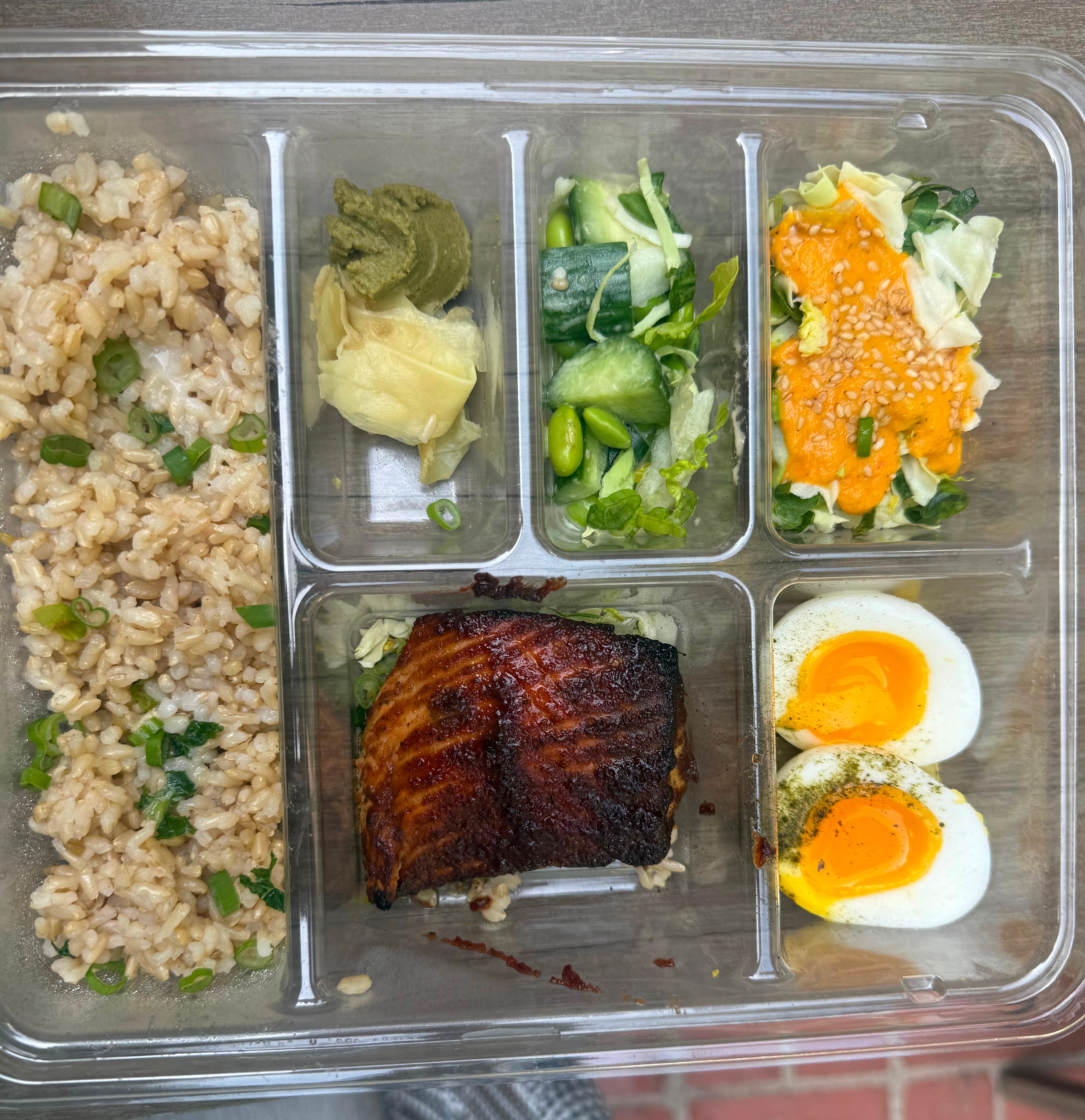
Love everything about this! Also the bento box looks sooo good