


A couple of years ago, I woke up with a burning, stinging sensation on my face. When I looked in the mirror, my cheeks were bright red and covered in tiny bumps.
I had been trying out a few new skincare products at the time, so I chalked this up to the glycolic acid serum I recently introduced into my nighttime routine. I stopped using the serum and decided to take it easy on my skin for a while.
I was also overdue for my annual skin exam, so I booked that for the following week and planned on mentioning my concerns to my dermatologist during that appointment.
While the burning sensation eased up by then, my cheeks were still red, and I still had a smattering of tiny bumps across my face. I brought this up during my appointment, and without blinking an eye, my dermatologist told me I had rosacea, a chronic, inflammatory skin condition.
He said the harsh products I had been using recently (coupled with the dry, winter air) could’ve triggered a flare-up. He recommended I discontinue use of any exfoliating acids, stay away from prescription-strength retinoids, and only get facials/professional treatments during the summer, when there’s some moisture in the air.
Because my rosacea flare-up was relatively mild and my symptoms had started to subside after I switched up my skincare routine, my dermatologist said I didn’t need any prescription treatments at the moment.
When I got home from his office, I started doing some research into the causes of rosacea. I learned that while the direct cause is unknown, it’s possible that genetics or an overactive immune system play a role.
Naturally, I wondered whether there was a connection between rosacea and celiac disease. It turns out there is, but not in the ways you’d probably expect.
Ahead, I break down what I’ve learned about the link between celiac and rosacea, whether gluten can cause flare-ups, and the best ways to treat rosacea symptoms, with insights from experts.
Table of contents:
Rosacea and celiac disease: What’s the connection?
How does the gut–skin axis influence rosacea?
What foods trigger rosacea?
Can going gluten-free improve rosacea?
What are the best treatments for rosacea?
Rosacea and celiac disease: What’s the connection?
Research shows there’s an association between rosacea and celiac disease but not a direct cause and effect, says Ariel Ostad, MD, a board-certified dermatologist and facial cosmetic surgeon in New York City.
“People with rosacea appear to have a higher risk of celiac disease and vice versa,” he says. “Studies suggest shared genetic and immune pathways (e.g., HLA genes, inflammatory cytokines). Both are chronic inflammatory conditions, which may explain overlap.”
Ava Shamban, MD, a board-certified dermatologist with rosacea and founder of AVA MD in Beverly Hills, adds that the only really established cause and effect connection is between rosacea and inflammatory bowel disease (IBD).
One 2023 study finds that IBD, which includes Crohn’s disease and ulcerative colitis, could potentially cause rosacea (although the reverse isn’t true). Shamban explains that IBD “can be a large contributor to systemic immune activation.”
How does the gut–skin axis influence rosacea?
Whether or not you have celiac disease, it’s important to understand that the gut and the skin have a bidirectional relationship. This is known as the gut–skin axis.
“I believe that the skin and the gut are two sides of the same organ,” says Nana Duffy, MD, a board-certified dermatologist at Schweiger Dermatology in Rochester, New York. “There are a profound number of immune cells that line the GI tract, just as there is a large number of immune cells that reside in the skin.”
When the gut is inflamed (such as in untreated celiac disease), it can disrupt the the balance between the immune system and the microbiome. “If the immune system in the gut can’t function properly because of inflammation, it could theoretically affect the skin,” says Duffy.
Ostad adds that the “gut–skin axis is one of the most important modern frameworks for understanding rosacea.” It makes sense, then, that rosacea is associated with multiple GI conditions—not just celiac but IBS and SIBO too.
What foods trigger rosacea?
You might be wondering: What role does diet play in rosacea? As one 2025 study notes, there’s a lack of sufficient research on whether dietary choices cause rosacea.
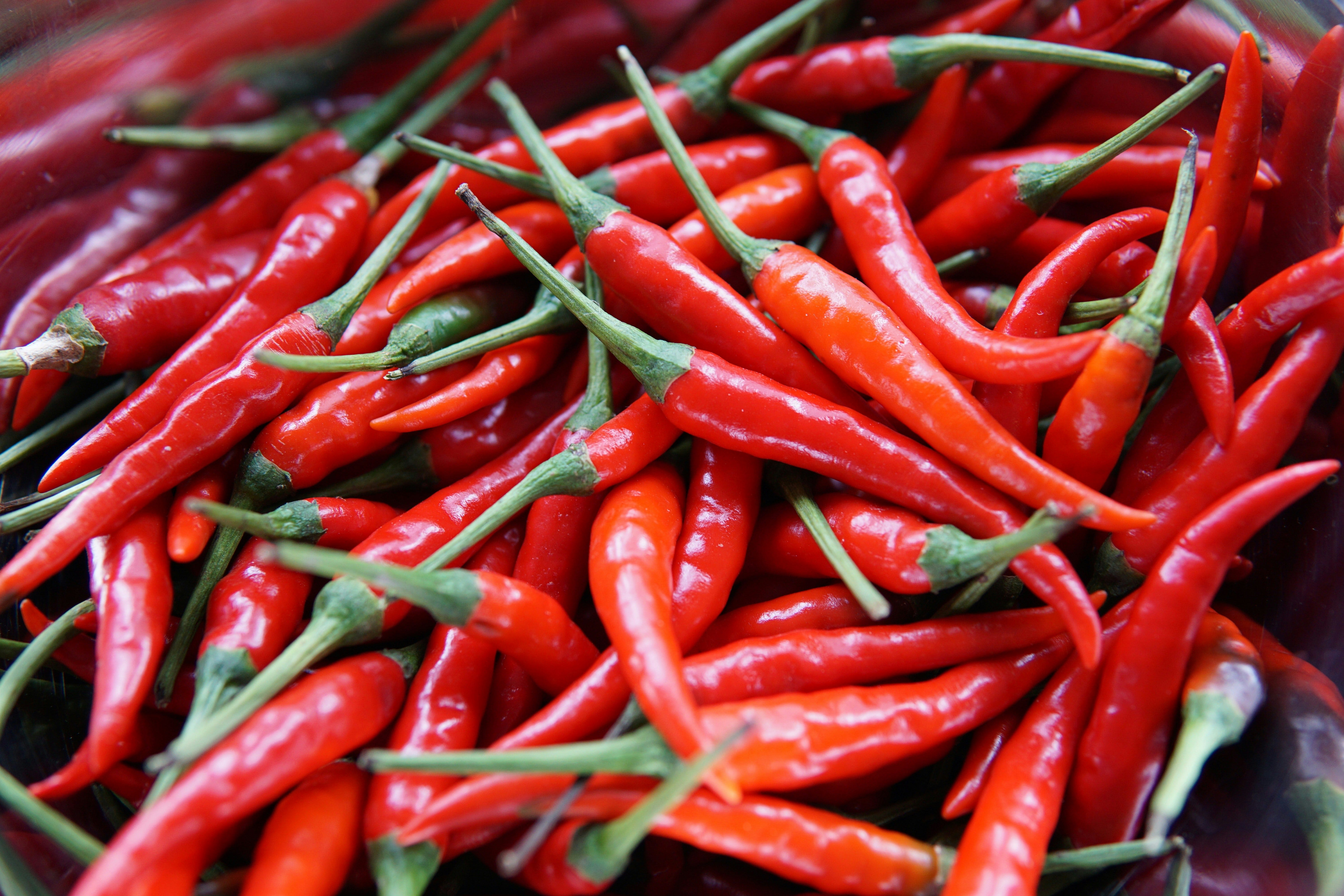
However, certain foods can trigger rosacea flare-ups. “Spicy foods, chocolate, and alcohol are all very common triggers for rosacea,” says Duffy.
Hot beverages, histamine-rich foods (like aged cheese and cured meats), high sugar/refined carbs, and caffeine may also trigger rosacea flare-ups in some people, adds Ostad.
“Triggers are personal, so it’s often helpful to track patterns and identify what specifically worsens symptoms,” says Duffy.
Can going gluten-free improve rosacea?
“Gluten is highly inflammatory for people with celiac disease or wheat allergies,” says Shamban.
So, if you have a gluten-related disorder on top of rosacea, then yes, going gluten-free may help relieve your skin issues (although it doesn’t guarantee your rosacea will go away), she says.
However, for non-celiacs, gluten isn’t a top universal trigger for rosacea, says Ostad. In fact, there’s no evidence eliminating gluten improves rosacea symptoms in people who don’t have celiac disease, says Duffy.
“While some people may report improvement [after removing gluten], it’s likely due to overall dietary changes rather than eliminating gluten itself,” explains Duffy.
What are the best treatments for rosacea?
As for what actually does help calm rosacea, there are a few simple rules to abide by, according to the dermatologists I interviewed:
Follow a gentle skincare routine
“Rosacea is a condition where you have an impaired skin barrier, just like patients with eczema,” says Duffy. “It’s important to treat the skin gently, don’t over-cleanse, use good moisturizer, and avoid sunburns.”
Use the right skincare ingredients
“Azelaic acid can be beneficial,” says Shamban. It can help reduce inflammation, kill bad bacteria, and mitigate redness.
Additionally, “Sulfur can be impactful for acute inflammation and helps to manage the pustules,” while “niacinamide helps with inflammation,” she says.
Keep stress under control
It’s easier said than done, but stress reduction is key for managing rosacea, says Ostad. According to a 2017 National Rosacea Society survey, emotional stress was one of the top triggers for rosacea flare-ups.
Practicing relaxation through activities like mediation and journaling, prioritizing getting a good night’s sleep, exercising for about 30 minutes a day, and limiting your alcohol intake are all things you can do to take care of your mind and body and lower your stress levels.
Avoid your personal food triggers
Certain foods are more likely to trigger rosacea flare-ups than others, but it’s really individual. You should avoid eating the foods you know make your skin condition worse.
Focus on eating fermented foods and fiber
On the flip side, eating certain foods, particularly fermented and fiber-rich foods, may help, says Duffy. Try to get several servings of fermented foods and plenty of fiber per week “to keep the population of good bacteria in your gut healthy,” she says.
Examples of fermented foods that may help with rosacea include yogurt, kefir, miso, kimchi, and sauerkraut.
Probiotic supplements could help as well, but you should ask your healthcare provider first before trying one as they’re not one-size-fits-all.
Seek professional help
Rosacea won’t go away on its own. While it’s possible that using over-the-counter skincare products and making lifestyle and dietary changes can help, in some cases, you may want to consider topical prescription treatments, says Shamban.
According to her, some of the more effective topical Rx treatments for rosacea are:
Soolantra, an ivermectin-containing cream that reduces the population of demodex, miscroscopic mites that damage the skin barrier, carry bacteria, and cause inflammation
Oxymetazoline, a vasoconstrictor that helps temporarily reduce redness
Beyond prescription topicals, certain lasers can be beneficial for rosacea management as well.
“Vascular lasers like the Cutera Excel V and Genesis Laser in combination have been shown to consistently be the most effective treatment for reducing facial redness, breakouts, flushing, and facial inflammation,” says Ostad.
Speak with your dermatologist to come up with a rosacea plan that’s tailored to your specific needs.
Do you have rosacea? Drop a comment with your experience! And let me know if you’re interested in more content about rosacea, skincare, or anything else beauty-related!
Sources:
Ariel Ostad, MD, board-certified dermatologist and facial cosmetic surgeon
Ava Shamban, MD, board-certified dermatologist and founder of AVA MD
Nana Duffy, MD, board-certified dermatologist at Schweiger Dermatology
Cleveland Clinic. Rosacea. https://my.clevelandclinic.org/health/diseases/12174-rosacea
Mayo Clinic. Rosacea. https://www.mayoclinic.org/diseases-conditions/rosacea/symptoms-causes/syc-20353815
Journal of the American Academy of Dermatology. Volume 74, Issue 4. “Clustering of autoimmune diseases in patients with rosacea.” https://www.jaad.org/article/S0190-9622(15)02465-2/fulltext
Dermatology and Therapy. 2023 Jun 20;13(7):1465–1475. “The Relationship Between Rosacea and Inflammatory Bowel Disease: A Systematic Review and Meta-analysis.” https://pmc.ncbi.nlm.nih.gov/articles/PMC10307732/
Nature Sci Rep. 2023 Sep 9;13(1):14910. “Detecting potential causal relationship between inflammatory bowel disease and rosacea using bi-directional Mendelian randomization.” https://pubmed.ncbi.nlm.nih.gov/37689807/
Microorganisms. 2021 Feb 11;9(2):353. “Gut–Skin Axis: Current Knowledge of the Interrelationship between Microbial Dysbiosis and Skin Conditions.” https://pmc.ncbi.nlm.nih.gov/articles/PMC7916842/
Journal of Korean Medical Science. 2025 Jun 02;40(21):e97. “Rosacea and Its Potential Role in the Development of Irritable Bowel Syndrome: Insights From the Korean National Health Insurance Service-National Sample Cohort.” https://www.jkms.org/DOIx.php?id=10.3346/jkms.2025.40.e97
Journal of the American Academy of Dermatology. Volume 75, Issue 3. “The role of small intestinal bacterial overgrowth in rosacea: A 3-year follow-up.” https://www.jaad.org/article/S0190-9622(16)30014-7/fulltext
Biomolecules. 15(3), 411. “Probiotics and Diet in Rosacea: Current Evidence and Future Perspectives.” https://www.mdpi.com/2218-273X/15/3/411
National Rosacea Society. Factors That May Trigger Rosacea Flare-Ups. https://www.rosacea.org/patients/rosacea-triggers/factors-that-may-trigger-rosacea-flare-ups
Journal of Cosmetic Dermatology. 2023 Oct;22(10):2650-2662. “A systematic review to evaluate the efficacy of azelaic acid in the management of acne, rosacea, melasma and skin aging.” https://pubmed.ncbi.nlm.nih.gov/37550898/
Japanese Medical Association Journal. 2023 Sep 20;6(4):448–454. “Real-world Evidence for the Treatment of Rosacea with Sulfur or Metronidazole Preparation in Japanese Patients.” https://pmc.ncbi.nlm.nih.gov/articles/PMC10628168/
Cutis. 2005 Aug;76(2):135-41. “Niacinamide-containing facial moisturizer improves skin barrier and benefits subjects with rosacea.” https://pubmed.ncbi.nlm.nih.gov/16209160/
National Rosacea Society. Stress Management Can Play Key Role in Rosacea Control. https://www.rosacea.org/rosacea-review/2017/winter/stress-management-can-play-key-role-in-rosacea-control
Centers for Disease Control and Prevention. Managing Stress. https://www.cdc.gov/mental-health/living-with/index.html
Dermatology Practical & Conceptual. 2017 Oct 31;7(4):31–37.“Diet and rosacea: the role of dietary change in the management of rosacea.” https://pmc.ncbi.nlm.nih.gov/articles/PMC5718124/
Celiac Self-Care. How to Get More Fiber When You’re Gluten-Free.
Journal of Clinical Medicine. 2026 Feb 26;15(5):1771. “Laser-Based Therapies in Rosacea: A Comprehensive Review of Mechanisms, Clinical Efficacy, and Future Directions.” https://pmc.ncbi.nlm.nih.gov/articles/PMC12986484/
This is sooo helpful. My hives are likely connected to Hashimoto’s. So wild how it all connects!