


Iron deficiency anemia (IDA) is pretty common for people with celiac disease. In fact, research shows it’s the only abnormality in about 40% of celiac patients.
Going gluten-free isn’t a magic fix, though. It’s possible to develop IDA post-diagnosis, which is what happened to me.
After bloodwork last year revealed my iron levels had significantly dropped since the previous time I’d been tested, my gastroenterologist scheduled me for both an endoscopy and colonoscopy to see if my celiac disease or another GI condition could be to blame. Everything inside my body looked normal (yay!), which meant my dietary choices since my celiac diagnosis in 2020 were probably the culprit (boo!).
Over the past few years, I had cut back on eating red meat (which is high in iron) because I have elevated cholesterol. Plus, I had swapped staples (bread and pasta) for gluten-free versions—and these don’t have to be fortified the way their wheat-filled counterparts are. For this reason, studies show the gluten-free regimen tends to be lacking in key nutrients, including iron.
Under the guidance of my GI doctor, I started taking a daily iron supplement and met with a dietitian to learn ways to add more iron-rich foods into my life. After a few months of supplementing, new bloodwork confirmed my iron levels had returned to the normal range.
I chatted with Jamie Baham, RDN, LD, owner of Ladybug Nutrition, to learn more about the connection between celiac disease and iron deficiency and how to deal with it.
Table of contents:
What is iron deficiency anemia?
Celiac disease and iron deficiency anemia: What’s the connection?
How can you tell if you have iron deficiency anemia?
What’s the best way to treat iron deficiency anemia?
What are the best gluten-free sources of iron?
What is iron deficiency anemia?
First things first: Anemia is a blood disorder that occurs when you don’t have enough healthy red blood cells to carry oxygen to your body. Anemia can have many different causes, but the most common is iron deficiency.
IDA can be a symptom of autoimmune disorders, including celiac disease. It can also be the result of not eating enough iron-rich foods or losing a lot of blood, whether from an illness or injury.
Symptoms of iron deficiency anemia can range from mild to severe. They can include extreme fatigue, weakness, lightheadedness, cold hands and feet, pale skin, brittle nails, and restless legs syndrome.
“Avoiding gluten decreases overall intake of grain foods that are good sources of iron. Also, in gluten-free grain foods there is typically a lack of iron enrichment and fortification, making it more challenging to get adequate iron.” - Jamie Baham, RDN, LD, founder of Ladybug Nutrition
Celiac disease and iron deficiency anemia: What’s the connection?
People with untreated celiac disease often have iron deficiency anemia. When someone with celiac disease eats gluten, it triggers an immune reaction that damages the small intestine. This intestinal damage can make it harder for your body to absorb nutrients and therefore lead to complications such as IDA.
“One of the most potentially overlooked signs of iron deficiency is when iron supplementation does not solve the problem,” explains Baham. “Ferrous sulphate [common iron supplement] absorption is compromised in active celiac patients and unpredictable in patients on a gluten-free diet.”
Baham points to a small study among children with IDA unresponsive to iron supplementation where 28.3% of participants tested positive for celiac. “When anemia keeps showing up despite taking iron, that resistance should spark a celiac screening,” she says.
IDA can still develop, or remain persistent, after you receive a celiac diagnosis and go gluten-free. (That’s why one of my biggest pet peeves is when people tell me I must be so healthy now that I’m gluten-free!)
“Avoiding gluten decreases overall intake of grain foods that are good sources of iron,” says Baham. “Also, in gluten-free grain foods there is typically a lack of iron enrichment and fortification, making it more challenging to get adequate iron.”
How can you tell if you have iron deficiency anemia?
If you suspect you’re anemic due to iron deficiency, the best thing you can do is book an appointment with your doctor for blood testing.
Key labs include complete blood count (CBC), which looks at all of your blood cells, with a primary focus on your red blood cells, as well as hemoglobin, which may only drop after iron stores are completely exhausted, says Baham.
Additionally, serum iron, ferritin, transferrin and transferrin saturation “can give a fuller picture of how well iron is being absorbed,” she says.
To monitor celiac disease and iron deficiency anemia, an endoscopy is the gold standard and can confirm intestinal damage or healing that would impact absorption, adds Baham.
What’s the best way to treat iron deficiency anemia?
You should speak with your physician to come up with a plan specific to your needs based on your lab results, says Baham.
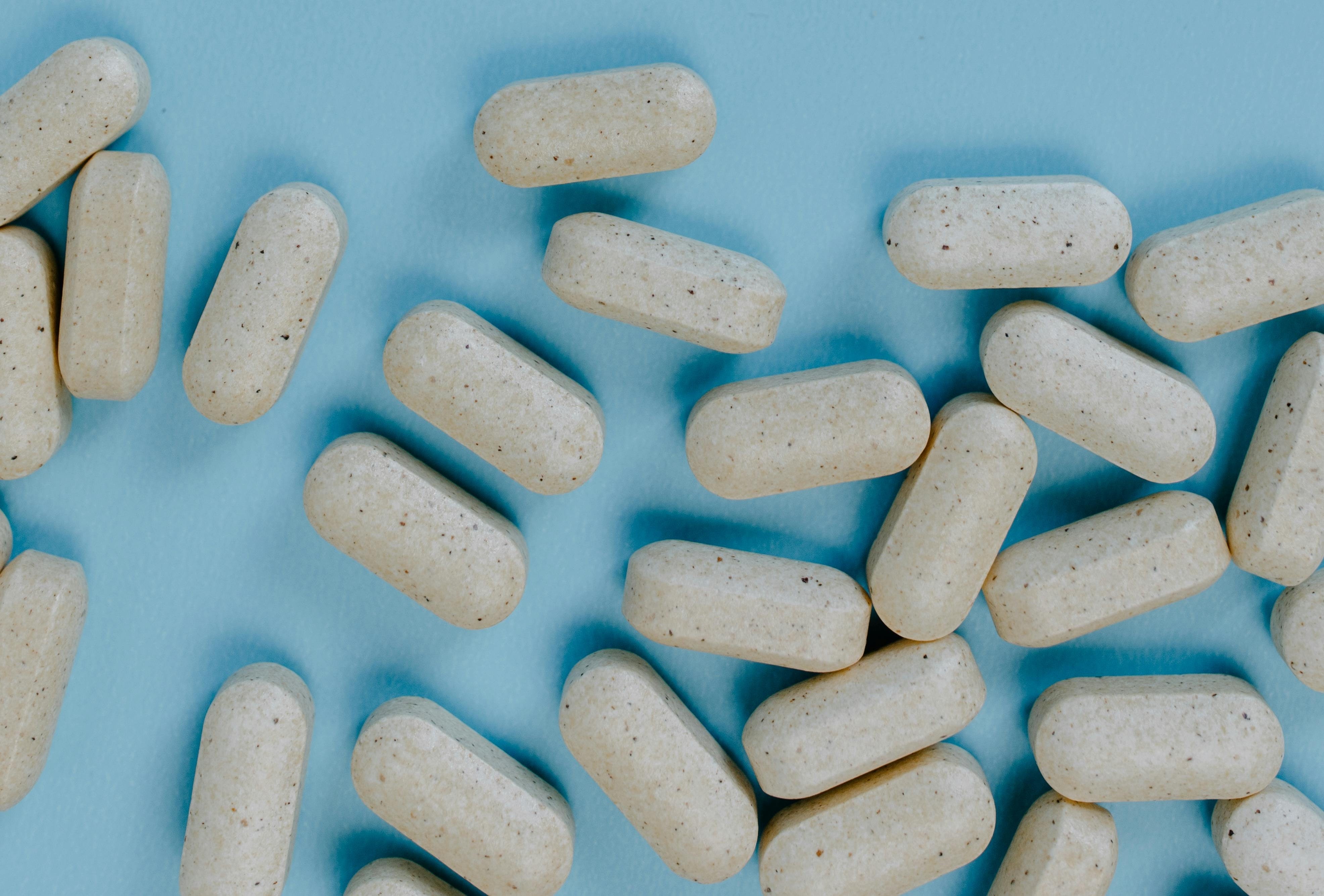
Iron supplementation is the most common way to treat iron deficiency anemia. Your doctor can suggest a supplement that will work best for your needs, says Baham.
For example, my GI doctor recommended an iron supplement designed to be slow-release and gentler on the gut because I mentioned that I had previously felt nauseous after taking a multivitamin with iron in it.
It’s possible that pairing an iron supplement with vitamin C could help with absorption (this is something my doctor suggested I do), but research is mixed on whether this is actually that effective.
How much iron you need daily varies based on your individual needs as well. According to the National Institutes of Health, the average healthy person needs anywhere from 8 to 27 mg of iron daily, depending on your age, life stage, and sex. If you have iron deficiency anemia, you’ll likely have to supplement with a higher dose of iron until this is resolved.
Keep in mind that there are risks associated with high dose iron supplementation without medical guidance, says Baham. This is why speaking to a medical professional before starting treatment is essential.
“One important thing to recognize is that deficiency in iron can be related to multiple causes and no one should be self diagnosing,” she says. “Bringing iron stores up or beyond where they should be—without professional guidance—may mask a more serious condition related to why iron was low to begin with.”
How long does it take for IDA to subside after beginning treatment? It depends, especially if you’re at the beginning of your celiac diagnosis. Until your small intestine begins the healing process, it’s difficult to say when you might start seeing improvement of your iron deficiency anemia.
“The standard timeline for improvement may not apply due to the fact that the damaged small intestine in active celiac absorbs iron poorly and is not as predictable,” says Baham.
Following up with your doctor for regular lab monitoring is the only way to know and track whether or not your iron stores are improving, she adds.
What are the best gluten-free sources of iron?
Outside of supplementation, adding more iron-rich foods to your plate can be beneficial. Working with a dietitian helped me figure out how to increase my iron intake through food.
Heme vs. non-heme iron: What’s the difference?
The bioavailability (aka the ability of your body to use iron) depends on its source.
“Food sources of iron are classified as heme or non-heme iron,” explains Baham. “Heme iron is found in animal sources and more bioavailable than non-heme iron, which is found in both plant-based and animal sources.”
Absorption depends on both your iron status and the composition of the meal.
Best naturally gluten-free foods high in iron
According to Baham, great sources of naturally gluten-free, iron-rich foods include:
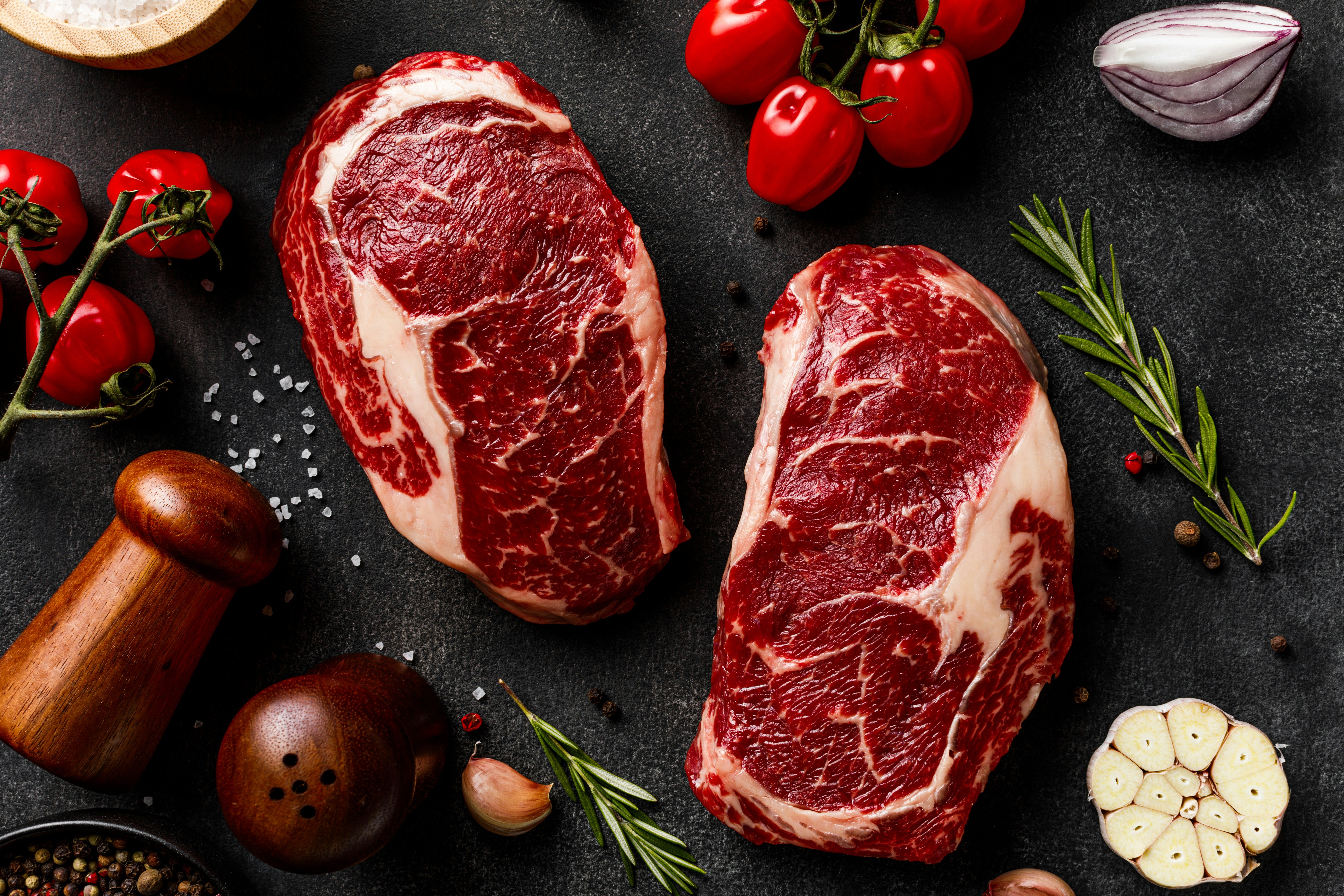
Red meat
Fish
Poultry
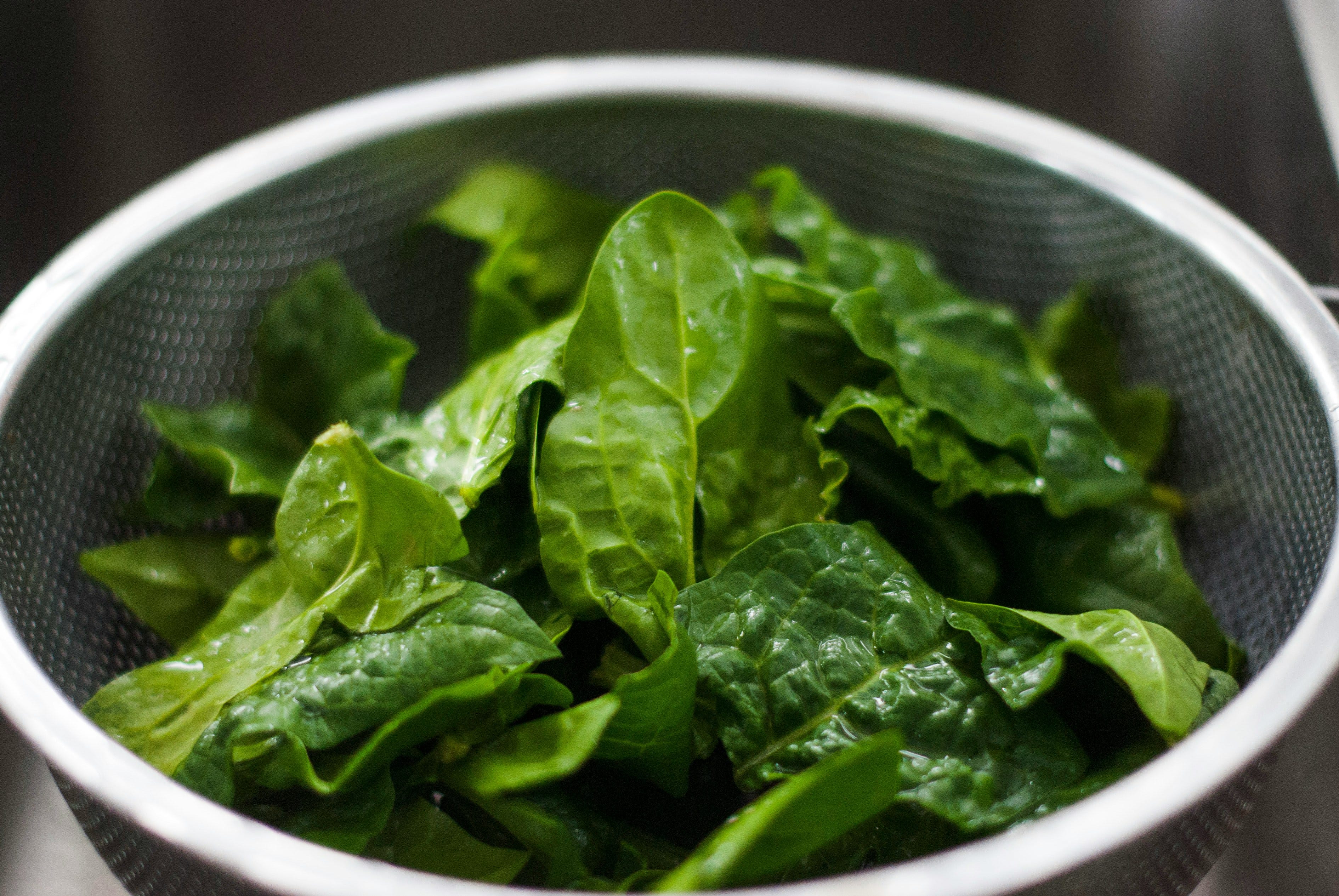
Dark, leafy greens (such as kale, spinach, and broccoli)
Plant-based, gluten-free iron sources + vitamin C
Remember how I mentioned vitamin C earlier? Well, when it comes to food, experts believe pairing plant-based iron sources with vitamin C can help with absorption.
A little science lesson: “Iron from non-heme (plant-food) sources arrives in your gut as the ferric form (Fe3+) and needs to be converted to the ferrous form (Fe2+) to be absorbed,” explains Baham. “Vitamin C (ascorbic acid) does that for you: It acts as a reducing agent, reducing Fe3+ to Fe2+ right in your digestive tract, making it primed for absorption.”
Vitamin C also works together with iron, forming a complex that keeps it from binding to phytates (natural plant compounds that block the absorption of certain nutrients) or other inhibitors in the same meal, she adds.
Even a little goes a long way: 25-75 mg of vitamin C (half of a bell pepper) can increase non-heme absorption by two to three times, says Baham.
Here are a few naturally gluten-free ways to pair iron with vitamin C for better absorption, according to Baham:
Black beans or lentils with salsa
Spinach or kale with a lemon vinaigrette
Rice with stir fried peppers (red has the most vitamin C)
Gluten-free breads, pastas, and cereals high in iron
Packaged gluten-free products aren’t required to be fortified the way their wheat-filled counterparts are. That said, there are some options on the market that do contain higher amounts of iron.
My favorite gluten-free packaged items with high iron include:
Queen Street Bakery Chia & Flax Seed Bagels (3.1 mg of iron per serving)
Explore Cuisine Red Lentil Penne (3.1 mg of iron per serving)
Three Wishes Gluten-Free, Grain-Free Cinnamon Cereal (2 mg of iron per serving)
Gluten-free foods that block iron absorption
Some naturally gluten-free foods can interfere with iron absorption. “The foods most likely to interfere with iron absorption on a gluten-free diet are rice, corn, soy, seeds, and legumes, due to the phytic acid component of them,” says Baham.
This doesn’t mean you need to avoid these foods—but it’s a good idea to be mindful of what you’re pairing them with, says Baham. That means adding in vitamin C or going easy on calcium (which can reduce iron absorption) in the same meal, she says.
The bottom line: Dealing with iron deficiency after going gluten-free can be frustrating, especially if you’re doing everything “right” to manage your celiac disease. But with the help of your healthcare team and a few strategic changes to your supplement routine and eating habits, it’s possible to get your iron levels back on track.
Do you have celiac disease and iron deficiency anemia? Let me know how you’ve treated it and if any of the above information surprised you!
Sources:
Jamie Baham, RDN, LD, owner of Ladybug Nutrition
Nutrients. 2020 Jul 22;12(8):2176. “Persistent Iron Deficiency Anemia in Patients with Celiac Disease Despite a Gluten-Free Diet.” https://pmc.ncbi.nlm.nih.gov/articles/PMC7468819/
Missouri Medicine. 2020 Mar-Apr;117(2):119–123. “Gluten Free Diets – A Challenge for the Practicing Physician.” https://pmc.ncbi.nlm.nih.gov/articles/PMC7144711/
Celiac Self-Care. How a Dietitian Helped Me Rebuild My Eating Habits.
Celiac Self-Care. How to Make Your Colonoscopy Prep Suck Less.
Cleveland Clinic. Anemia. https://my.clevelandclinic.org/health/diseases/3929-anemia
Mayo Clinic. Iron deficiency anemia. https://www.mayoclinic.org/diseases-conditions/iron-deficiency-anemia/symptoms-causes/syc-20355034
World Journal of Gastroenterology. 2015 Aug 21;21(31):9233–9238. “Iron deficiency anemia in celiac disease.” https://pmc.ncbi.nlm.nih.gov/articles/PMC4541375/
Celiac Self-Care. Why the Gluten-Free Diet Isn’t Really as Healthy as It Seems.
Arquivos de Gastroenterologia. 2018 Jan-Mar;55(1):78-81. “Association of Potential Celiac Disease and Refractory Iron Deficiency Anemia in Children and Adolescents.” https://pubmed.ncbi.nlm.nih.gov/29561983/
JAMA Network Open. Vol. 3, No. 11. “The Efficacy and Safety of Vitamin C for Iron Supplementation in Adult Patients With Iron Deficiency Anemia.” https://jamanetwork.com/journals/jamanetworkopen/fullarticle/2772395
National Institutes of Health. Iron. https://ods.od.nih.gov/factsheets/Iron-HealthProfessional/
Molecular Aspects of Medicine. 2020 Oct:75:100865. “Oral iron supplementation in iron-deficient women: How much and how often?” https://pubmed.ncbi.nlm.nih.gov/32650997/
Healthline. What Is Sorghum? A Unique Grain Reviewed. https://www.healthline.com/nutrition/sorghum
Michigan State University. Iron and vitamin C: the perfect pair. https://www.canr.msu.edu/news/iron_and_vitamin_c_the_perfect_pair
UC Davis Department of Nutrition. Nutrition & Health Info Sheets for Health Professionals - Iron. https://nutrition.ucdavis.edu/outreach/nutr-health-info-sheets/pro-iron
The Journal of Nutrition. Volume 151, Issue 5, May 2021, Pages 1084-1101. “Calcium Intake and Iron Status in Human Studies: A Systematic Review and Dose-Response Meta-Analysis of Randomized Trials and Crossover Studies.” https://www.sciencedirect.com/science/article/pii/S0022316622001420
Disclaimer: If you click on a link, I may get a small commission. This helps support this newsletter so I can keep writing it.
Such an important topic! I struggled with anemia for *years* post celiac diagnosis.
This is such an important piece of the conversation that rarely gets addressed. The fortification gap in gluten-free packaged bread is real, but there is another side to it worth knowing. Whole grain gluten-free flours like sorghum, millet, and teff contain naturally occurring iron that is present in the grain itself rather than added back in after processing. A sourdough made with freshly milled whole grains and long fermentation also has improved mineral bioavailability because the fermentation process reduces phytic acid, which is one of the primary inhibitors of iron absorption you mentioned. It does not replace working with a doctor and dietitian, but the flour choices in a gluten-free bread matter more than most people realize for long term nutritional outcomes.